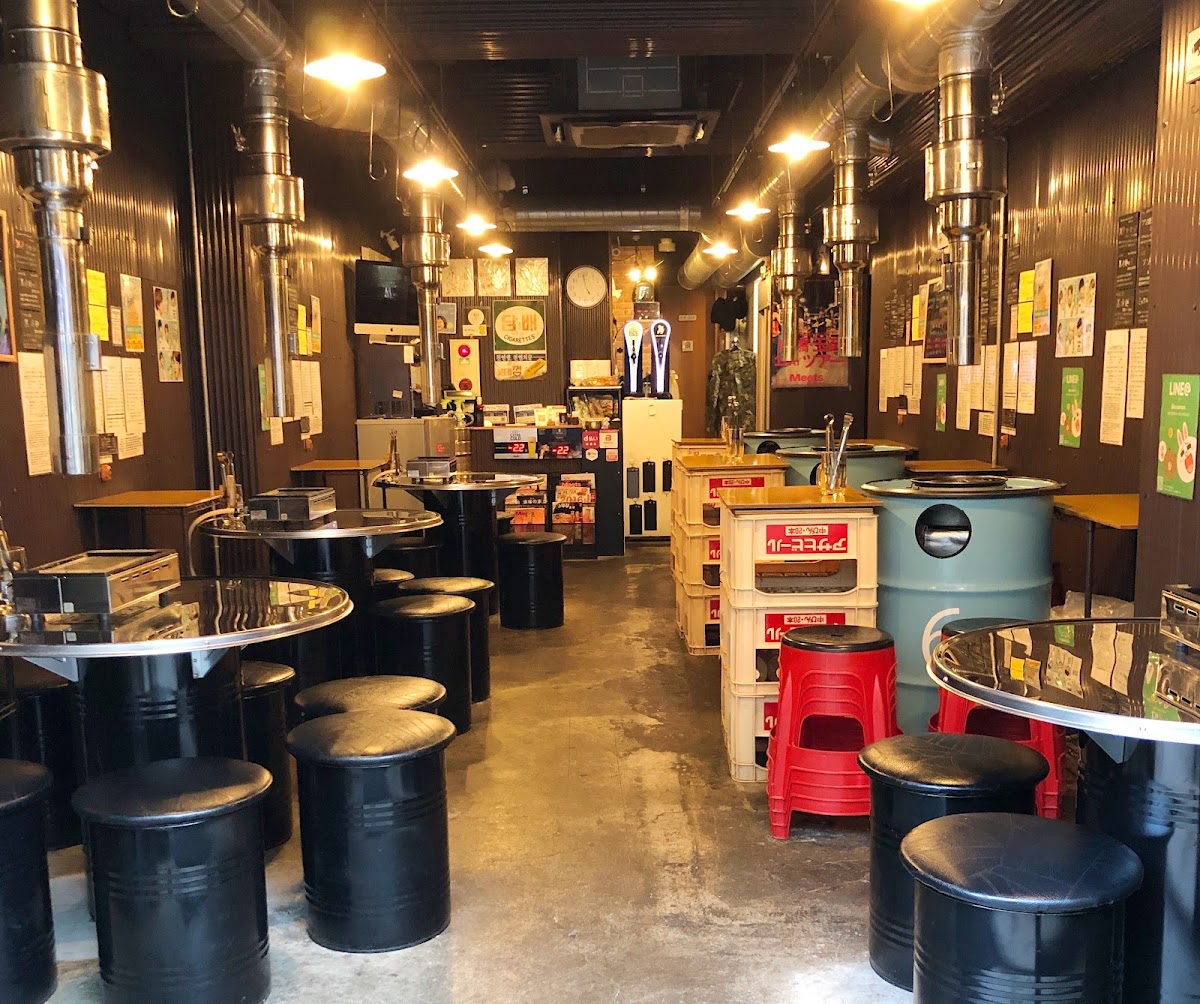
韓国で大人気のドラム缶焼肉を再現した 韓国スタイルの焼肉と韓国料理がのお店。 タレまで美味しいお肉はご飯との相性抜群 点滴チューブから飲む斬新なドリンクなど 楽しくて美味しいメニューが魅力です! 店内の隠し扉の先は幻の" 別邸 "があり 生食できる"A5ランクの黒毛和牛"を使用 キムチやデザートなどにもこだわった 最上級の焼肉コースを頂くことができます。 ︎ ドラム缶焼肉 ソソモン ・漬けハラミ (ハーフ) 1.100円 ・着けカルビ (ハーフ) 990円 ・サムギョプサル 935円 ・コプチャン (マルチョウ) 825円 ︎ 焼肉ソソモン 別邸 (pic1.8〜16枚目) ・おまかせコース 11.000円 ・サラダ キムチ盛り合わせ もやしナムル ・牛肉刺し (ハラミ) ・牛肉ユッケ (カメノコ アオリイカ) ・焼肉3種 (ハラミ カメノコ ランプネクタイ) ・焼きすき (クリ ミスジ) ・飲むロース ・黒冷麺ハーフ ・飲む大人のかき氷 "ドラム缶焼肉 ソソモン"は韓国風焼肉店 ハラミとカルビはタレがしっかり染みて タレ煮込みにするとご飯との相性抜群に マルチョウは表面はカリッと香ばしく とろけるような甘さと旨みが堪りません! 店奥の飾り棚を押すと現れる秘密の小部屋 "焼肉ソソモン 別邸"は芸能人も訪れる 土日祝日の夜限定で二部制で営業している 知る人ぞ知る 隠れ家すぎる高級焼肉店! この日のユッケは"カメノコとアオリイカ" 初めての組み合わせだっだけど食感も良く お肉の旨みを存分に感じる贅沢な一品。 名物"飲むロース"は圧倒的な柔らかさ! 口の中でふわっと溶けて余韻まで美味しい 卵タレで頂く焼きすきも至福の美味しさ
Overview
Walking into Tsuruhashi Drum Can Yakiniku Sosomon feels like stepping straight into Osaka’s everyday food culture, the kind locals actually eat, not the polished version made for postcards. The first time I came here, a friend who grew up nearby insisted this was the place to understand why Tsuruhashi is famous for yakiniku. The address alone tells you a lot: Japan, 〒543-0024 Osaka, Tennoji Ward, Funahashicho, 19−19 MaisonDePiaf 1F, right in the middle of a neighborhood where Korean-Japanese grilling traditions have been refined for decades.
The menu leans heavily into charcoal-grilled beef, and the drum-can style seating puts you close to the heat and even closer to your food. This setup isn’t just for show. According to food studies published by Japanese culinary institutes, grilling meat over binchotan charcoal can reduce excess fat while enhancing umami through steady, high heat. You notice it immediately when thin-sliced short rib hits the grill, sizzling without flaring up. A server once explained how they control airflow inside the grill, a small but crucial process that keeps the meat juicy instead of scorched.
I’ve eaten yakiniku across Kansai, and Sosomon stands out for how confidently it sticks to basics. The beef tongue here is cut thick, not shaved paper-thin, which lets you taste texture as well as flavor. One regular at the next table told me he orders it every visit because it’s always consistent, a claim backed up by years of strong reviews from locals who value reliability more than novelty. In Japan, consumer trust matters, and the Japan Food Service Association has long noted that repeat customers are the backbone of neighborhood restaurants. Sosomon clearly understands this.
The sauces deserve attention too. Instead of overwhelming the meat, they’re balanced, slightly sweet, slightly savory, and clearly house-made. A staff member mentioned they adjust the blend seasonally, depending on the fat content of the beef. That kind of detail reflects professional expertise, not guesswork. It also explains why even simple cuts taste intentional rather than generic.
What really sells the experience, though, is the atmosphere. Conversations bounce around the room, smoke drifts upward, and nobody seems in a hurry. Drum-can yakiniku is meant to be shared, and Sosomon encourages that rhythm naturally. Groups order multiple plates, grilling together, passing tongs, debating which cut is best. It’s informal, but never careless. The staff keeps an eye on grills, swapping them out when buildup affects flavor, a method many top yakiniku chefs recommend to avoid bitterness.
Not everything is perfect, and it’s fair to say seating can feel tight during peak hours. If you’re sensitive to smoke or noise, this might not be your ideal dinner spot. Still, that intensity is part of its charm, and most diners come knowing exactly what they’re signing up for. One reviewer I spoke with described it as authentic local energy, a phrase that fits better than any marketing slogan.
For anyone exploring Osaka’s food scene beyond the obvious, Sosomon offers a grounded, trustworthy yakiniku experience rooted in real technique and community habits. It’s the kind of place you return to not because it’s trendy, but because it delivers what it promises, plate after plate.
Good to know
Service options
✓ On-site services ✓ Dine-in ✓ Delivery ✓ TakeawayHighlights
✓ All you can drinkPopular for
✓ Lunch ✓ DinnerAccessibility
✓ Assistive hearing loop ✓ Wheelchair-accessible car park ✓ Wheelchair-accessible entrance ✓ Wheelchair-accessible seating ✓ Wheelchair-accessible toiletOfferings
✓ Alcohol ✓ Beer ✓ Cocktails ✓ Happy-hour drinks ✓ Small plates ✓ WineDining options
✓ Lunch ✓ Dinner ✓ Dessert ✓ Seating ✓ Table serviceAmenities
✓ Gender-neutral toilets ✓ Smoke-free place ✓ ToiletAtmosphere
✓ CosyCrowd
✓ Family friendly ✓ GroupsPlanning
✓ Dinner reservations recommended ✓ Accepts reservationsPayments
✓ au PAY ✓ Credit cards ✓ dBarai ✓ PayPay ✓ Rakuten Pay ✓ Transit IC cards ✓ V-Money ✓ Credit cardsPhotos
1 / 4
Location
Reviews
- No ratings yet 235 reviews
焼肉の激戦区でもある鶴橋で若者を中心に根強い人気を誇る、本場韓国式のドラム缶焼肉を楽しめます 今回注文したのは、 ◾漬けハラミ(¥2,200) 秘伝のタレに漬け込まれた巨大なハラミ肉 噛むとジュワッと出てくる肉の旨味と秘伝のタレが最高にマッチしてるこのお店トップクラスのオススメメニュー さらにやばいのが一緒に運ばれてくる煮込みタレ… ただでさえ美味しいお肉をこのタレで軽く煮込んでから、この煮込みタレをかけたご飯と一緒にかき込むともうエクスタシー感じます ◾漬けカルビ(¥1,980) こちらもこのお店トップクラスでオススメの逸品! ハラミと同じく秘伝のタレに漬け込まれたカルビは、上質な脂身の甘さと相まって絶品 こちらも煮込みタレがついてますが言うまでもなくエクスタシー感じれます ◾本日の特選牛(¥1,650) その日の火入れ状況によって変わる、店主オススメ部位をいただけます 今回は上バラでした! 口の中でほどけていくような柔らかさと噛めば噛むほど出てくる旨味が最高の贅沢を感じさせてくれます わさび醤油が最高にマッチします ◾ソソ焼き(¥1,650) A5ランクの黒毛和牛の希少部位を一口サイズにカットして塩胡椒などで味付けした逸品! お肉自体が美味しいので、そのままかネギポンをちょっとつけるだけでOK 一口サイズなので贅沢なおつまみ感覚でパクパク食べられる ◾サムギョプサル(¥935) 韓国焼肉といえば忘れてはいけないサムギョプサル! こちらのお店は特選無菌豚を使用されており、なんと豚肉なのに生で食べられるという贅沢なお肉をサムギョプサルに使用されてます 脂身は甘くクセはなく、くどさも感じないので意外にもあっさりと食べられます レア目に焼いて食べるもよし、別料金にはなりますがチシャやエゴマで巻いて食べるもよしの本格サムギョプサルです ◾黒冷麺(¥825) さっぱりとした冷麺にこれでもかと言うほど韓国海苔がかかった真っ黒な冷麺 海苔の風味が最高な〆の逸品です 黒冷麺をベースに味変した冷麺などもあるので好みに応じて食べられます ◾大人の飲むかき氷(ピーチミルク味) フワッフワのかき氷にリキュールとピーチミルク味のシロップがかかった大人のデザート これだけでもキッチンカーとかで販売したら爆売れするであろう最高に美味しいデザートでした 器がジョッキなので最後まで溶けたかき氷を飲み干すこともできちゃいます 今後味も増やしていくとのことで楽しみですね ◾点滴ドリンク(¥700〜) 多分今のところ関西で、いや日本全国でみてもここだけしかやってないであろう点滴を直飲みできるドリンク ソフトドリンクからワインなどのアルコールも有り見た目も楽しいドリンクです 友達やカップルで盛り上がること間違いなし 漬けハラミなどをはじめ、1皿が2人前くらいの量があるのでボリューム的にも満足できますし、肉質を考えるとコスパもかなり良いお店だと思います 店内も韓国風でオシャレですので、デートなどにもピッタリですし、BTSさんのメンバーネームプレート付きの軍服を着て写真を撮ることもできる推し活ができるお店でもありますね メニューや店内に遊び心が散りばめられたお店でした!
ドラム缶焼肉、見た目も面白くてお肉も上質。 赤身が多く柔らかいので健康志向な女性客も多く見受けられました。 ここにしかない点滴ジュースは一度は体験してみたくなります 今後予約必須のVIPルームにて、隠れ家コースも提供されるとのこと! お楽しみに!
ドラム缶焼肉という初めての体験にワクワクして訪問したのですが、、、 点滴を模した入れ物のドリンクがあったり 普通に焼くだけじゃなく 煮込み用のタレで煮込んだりと、 初めての体験続きでした! さらに、お手洗いに立つと、前を歩いていた店長が右に急カーブ!? 隠し扉が開いて、隠れ家焼肉へご招待! ドラム缶焼肉も最高に美味しかったのに、その上をゆくコースが楽しめました! フランクな店長さんとのお話も楽しく、創作料理の「ハモのキムチ」をサービスして頂いたりと、アットホームな隠れ家は、また行きたい!と思える素敵な場所でした
鶴橋駅から徒歩2分、ソウル名物のドラム缶焼肉が楽しめる【ソソモン】さんへ。 ここでしか食べられないオリジナルメニューも豊富で、味も雰囲気も本場そのもの! 今回は、しっかりタレに漬け込まれた「ヤンニョム アンチャンサル(ハーフ)」と「ヤンニョム カルビ(ハーフ)」を注文。どちらもジューシーでご飯が止まらなくなる美味しさでした。 特に「コプチャン マルチョウ1本焼き」はインパクト抜群!外はカリカリ、中はとろっとしていて特製タレとの相性も最高です。 さらに、SNS映え間違いなしの「点滴ドリンク」も注文。アルコール・ノンアル両方選べて、盛り上がること間違いなし。 付け合わせの「ニンニク煮込みタレ」がまた絶品で、お肉と一緒に煮込むと甘みが増してご飯との相性抜群でした。 鶴橋で韓国気分を味わえる、楽しい焼肉体験でした!
漬けハラミのランチと、追加でカルビをたのみました。締めの黒冷麺もすごく美味しかったです!ドラム缶で、韓国の雰囲気を味わえました
ソウル屋台の雰囲気をそのまま楽しめる「ドラム缶焼肉スタイル」のお店です ここで出会えるのは、他では味わえないオリジナリティ溢れる韓国焼肉 名物【漬けカルビ&漬けハラミ】は、一口でリピートしたくなるインパクト。 さらにタレをご飯にかけると…まさに“絶品飯”が完成します 店主さんが大切にしているのは「美味しい」だけじゃなく「面白い」「楽しい」と思ってもらえる体験 鶴橋でドラム缶焼肉を楽しめるのはココだけという特別感も魅力です